Project Highlights
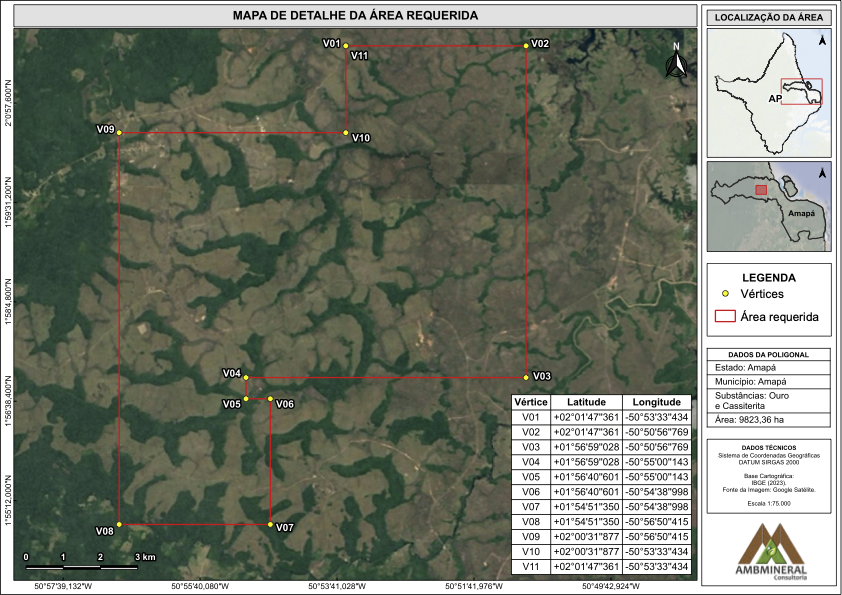
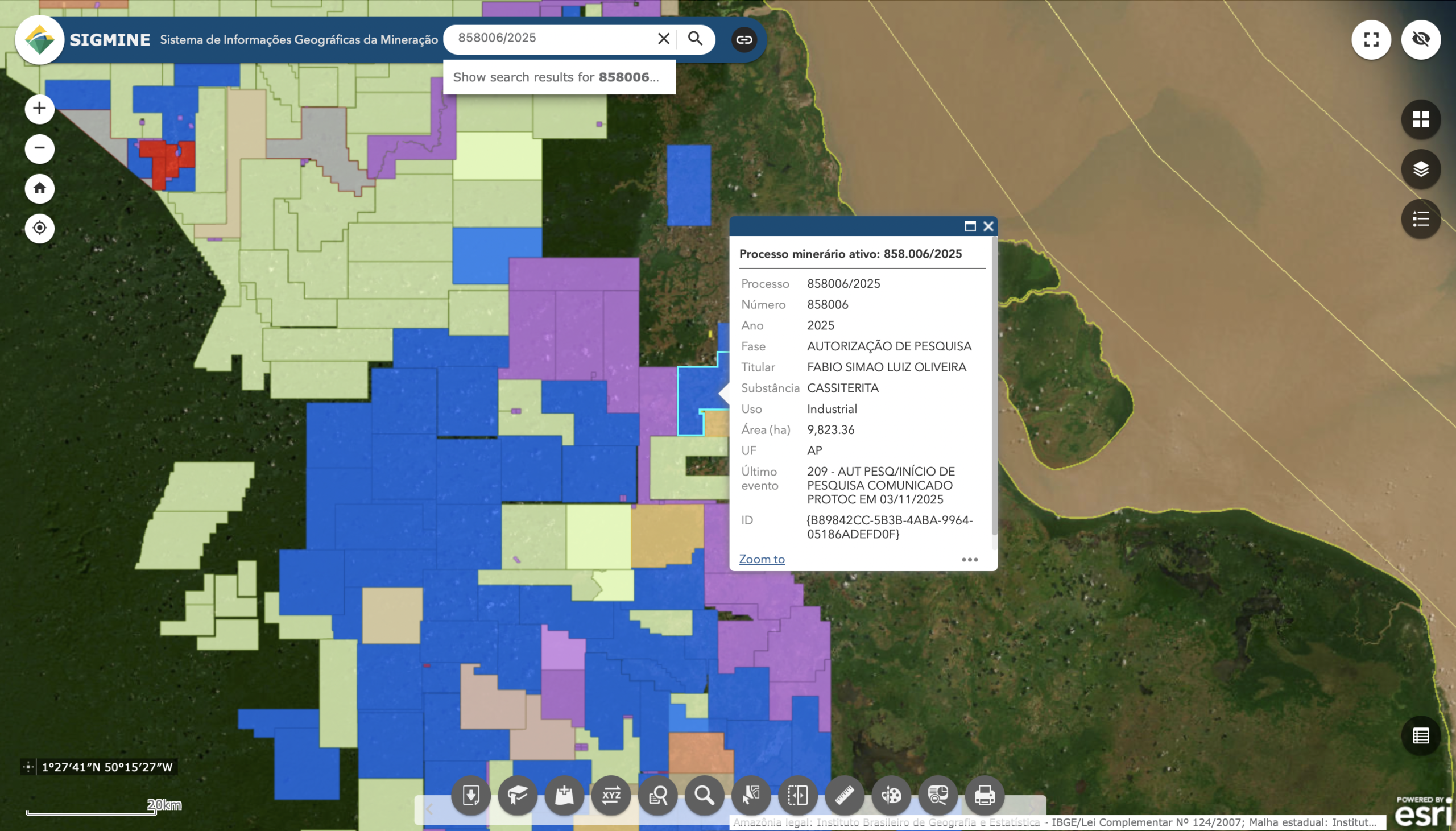
- 9,823.36 hectare early-stage iron and industrial minerals exploration project
- Located within the Guyana Shield of northern Brazil
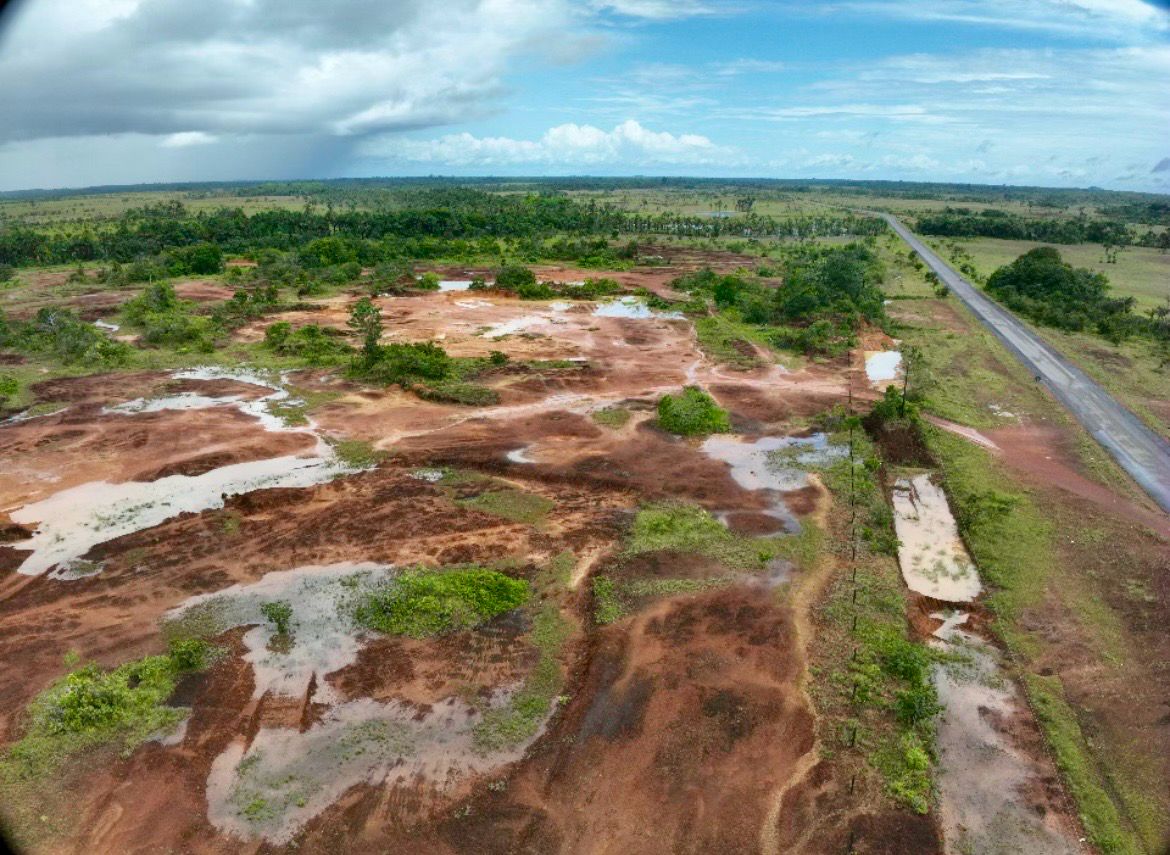
- Recent reconnaissance sampling identified strongly magnetic mineral-bearing material in surface outcrops
- Quartz- and feldspar-rich material identified within sampled outcrops
- Approximately 15–20 surface samples collected from outcropping material for preliminary examination
- Large contiguous exploration position with significant scope for systematic field investigation
- Further laboratory characterization required to determine mineralogy, iron grades and potential economic significance
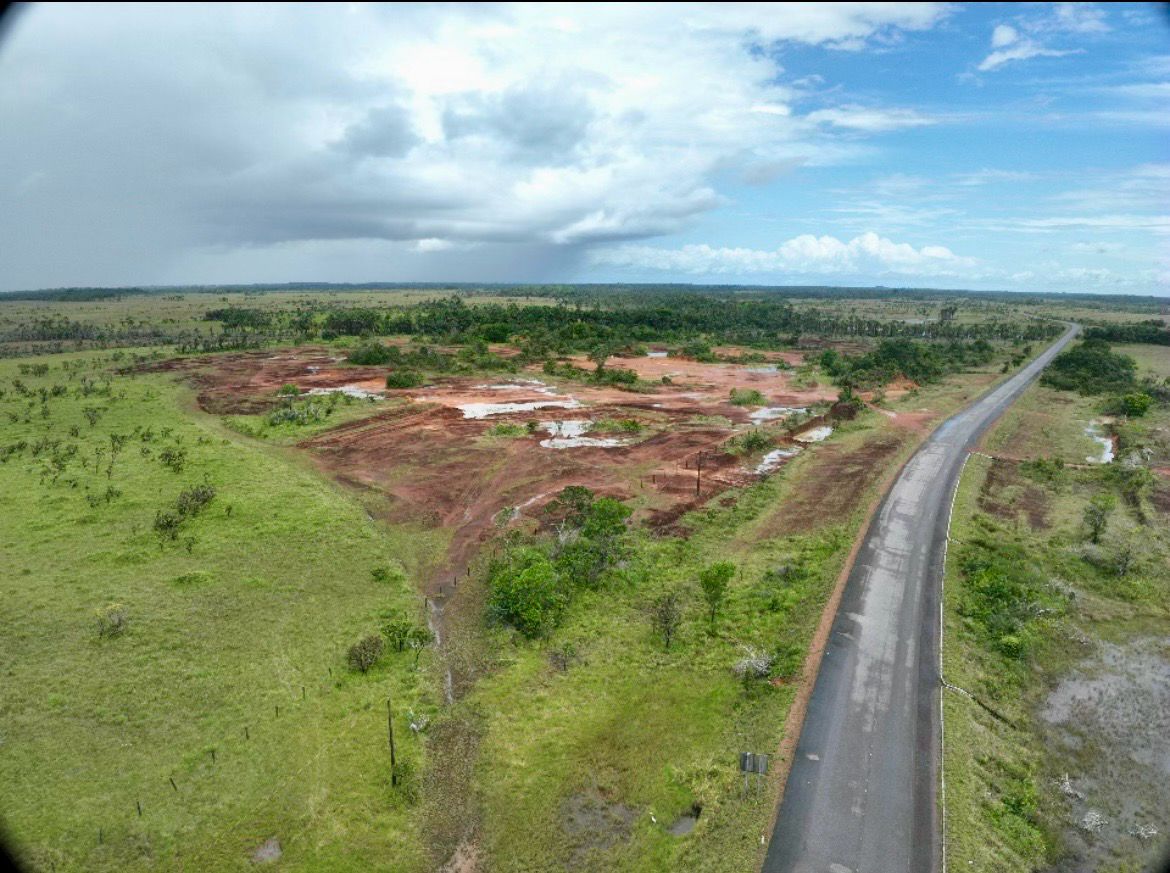
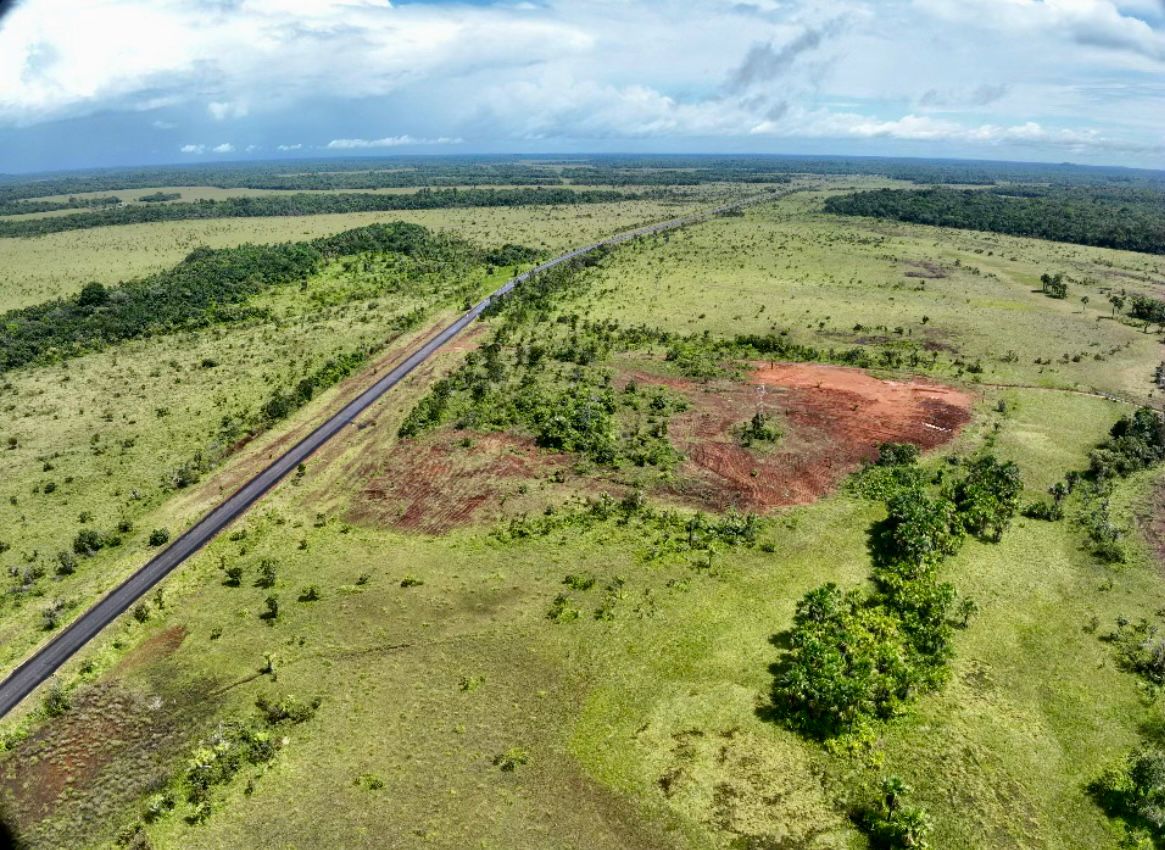
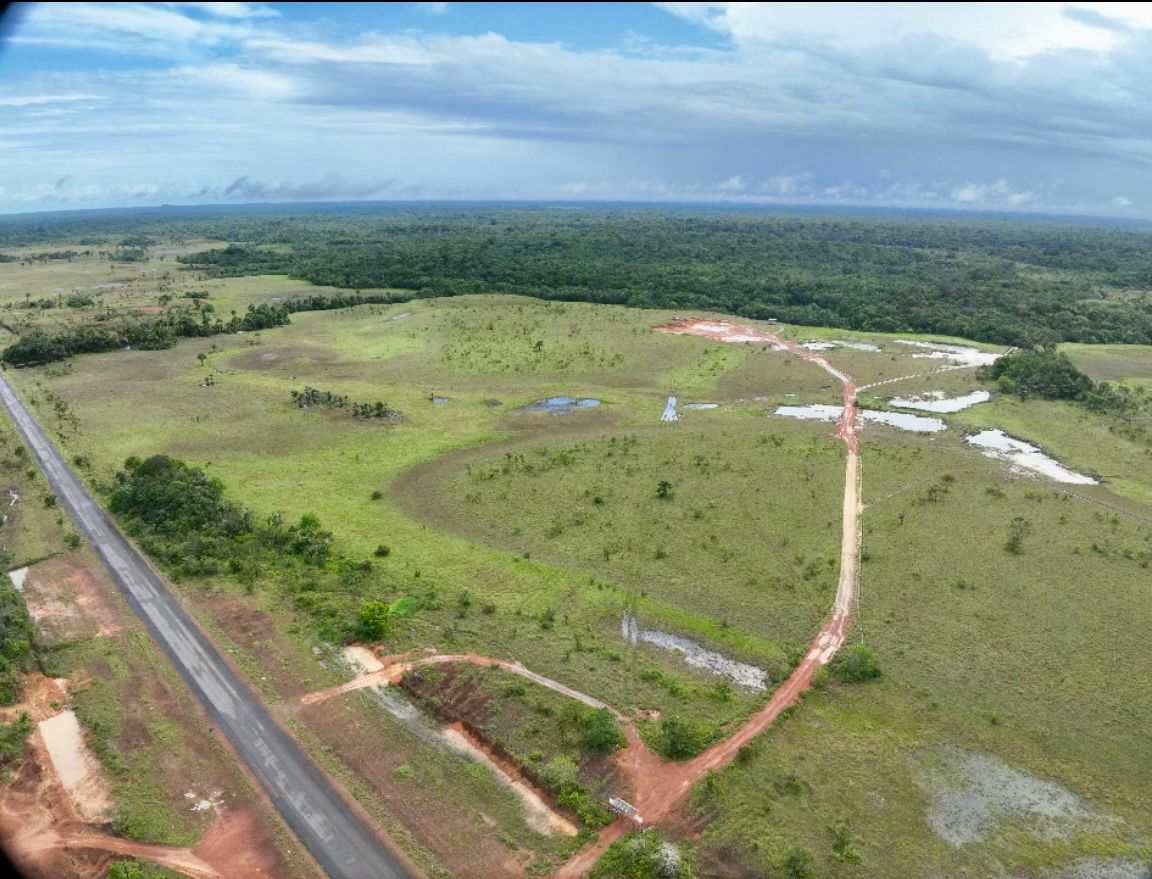
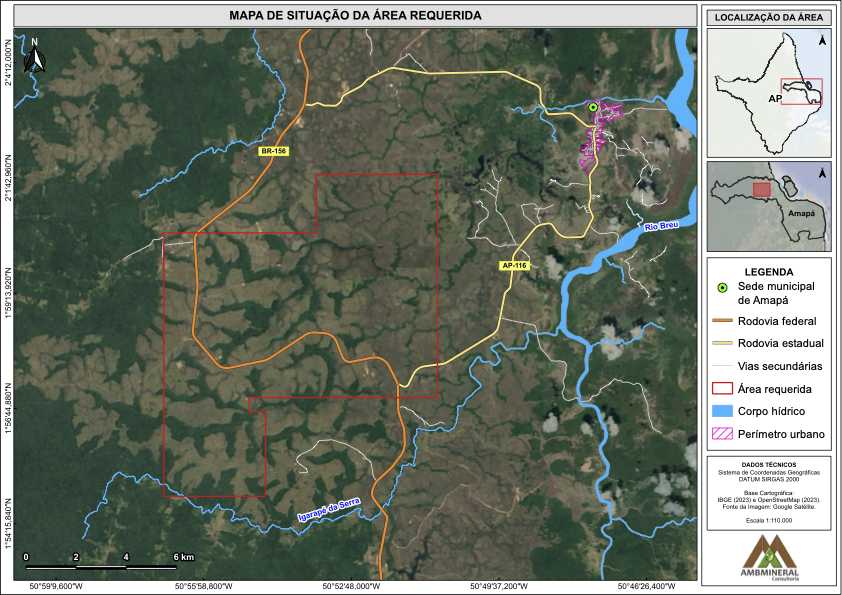
- Year-round road access and regional infrastructure available
Summary
The Amapá Iron & Industrial Minerals Project comprises 9,823.36 hectares located in Amapá State, northern Brazil.
The project remains at an early exploration stage and has not yet undergone systematic drilling or comprehensive geochemical exploration. Recent reconnaissance work included the collection of approximately 15–20 samples from surface outcrops across the property for preliminary examination.
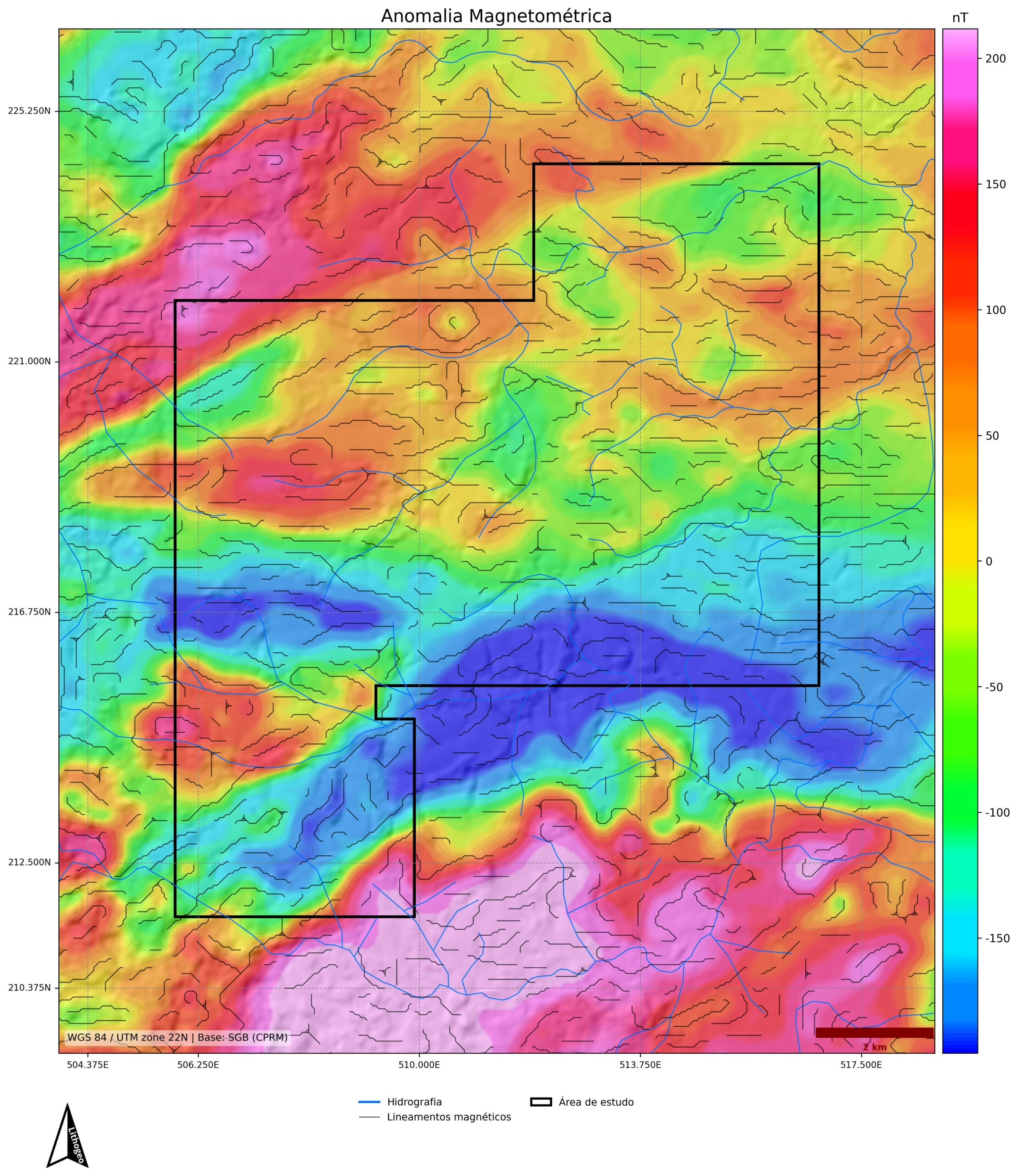
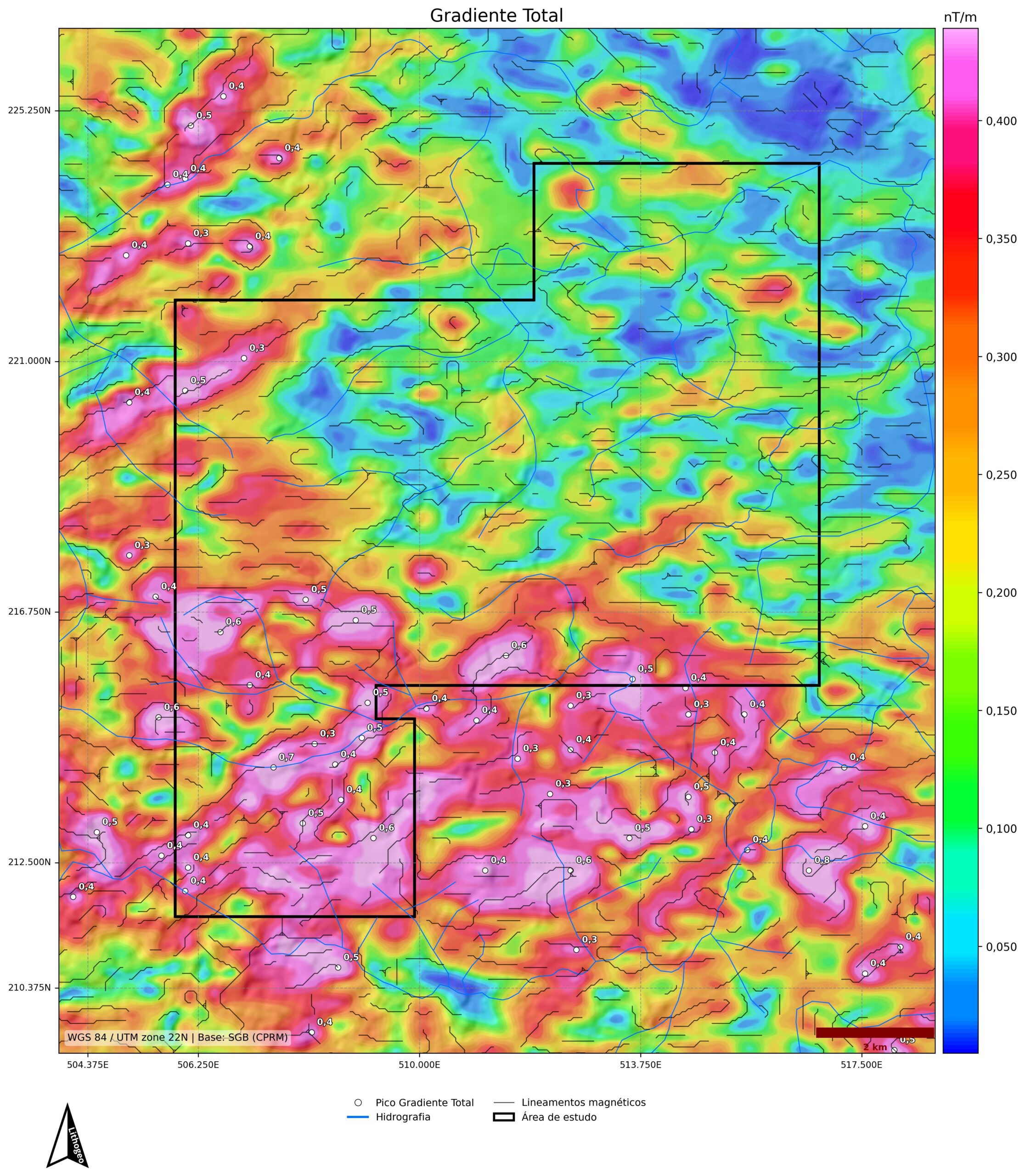
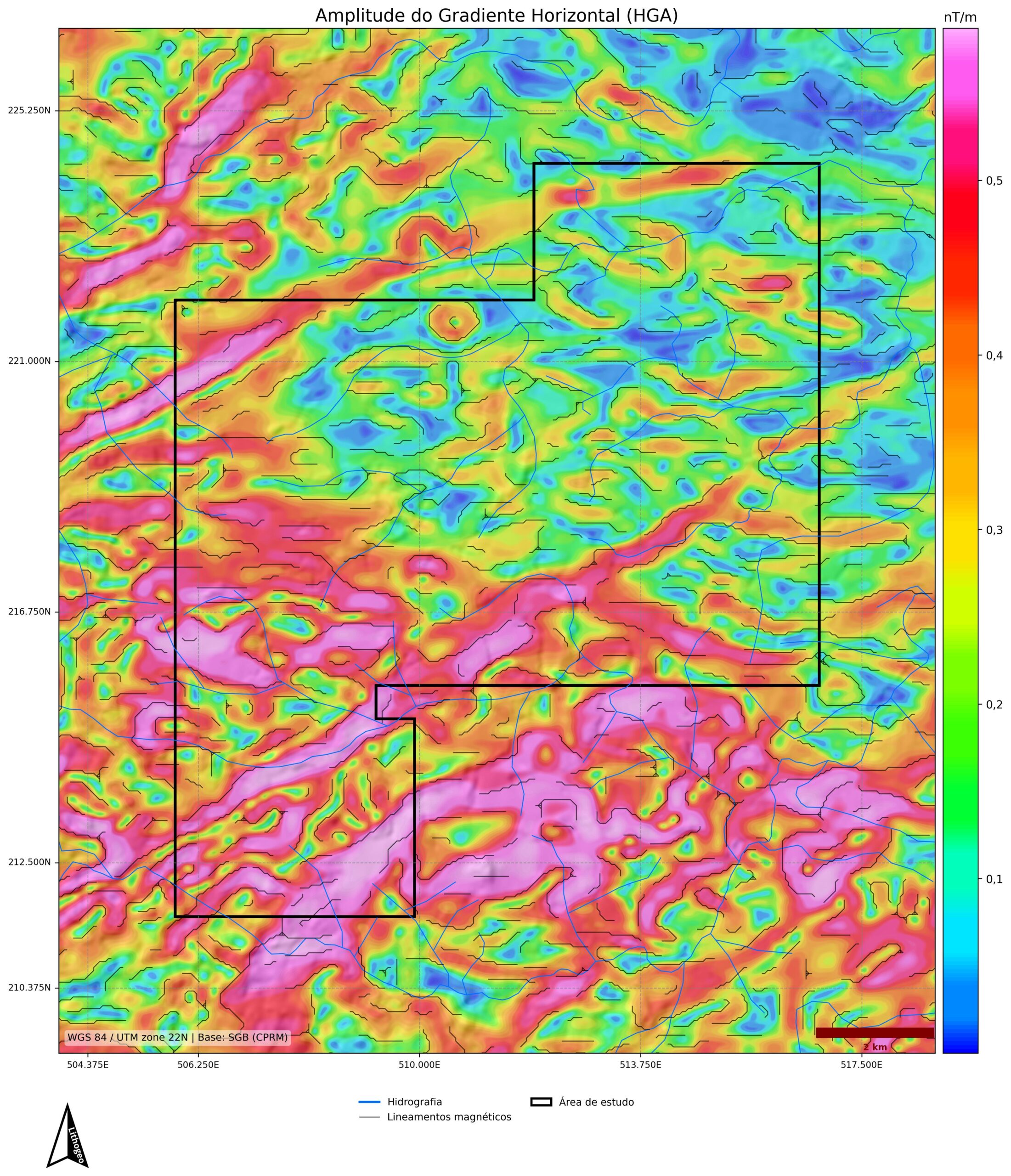
The samples demonstrated strong magnetic response, providing an initial indication of the presence of magnetic iron-bearing minerals, potentially including magnetite. Quartz- and feldspar-rich material was also identified within the sampled outcrops.
Gold was not demonstrated and no evidence of cassiterite was identified in the samples examined to date. The exploration focus is therefore being updated to reflect the geological evidence currently available, with priority given to evaluating the property's iron-bearing and industrial mineral potential.
Further systematic sampling, laboratory analysis and mineralogical characterization will be required to determine mineral composition, grades, spatial continuity and potential economic significance.
Geological Overview
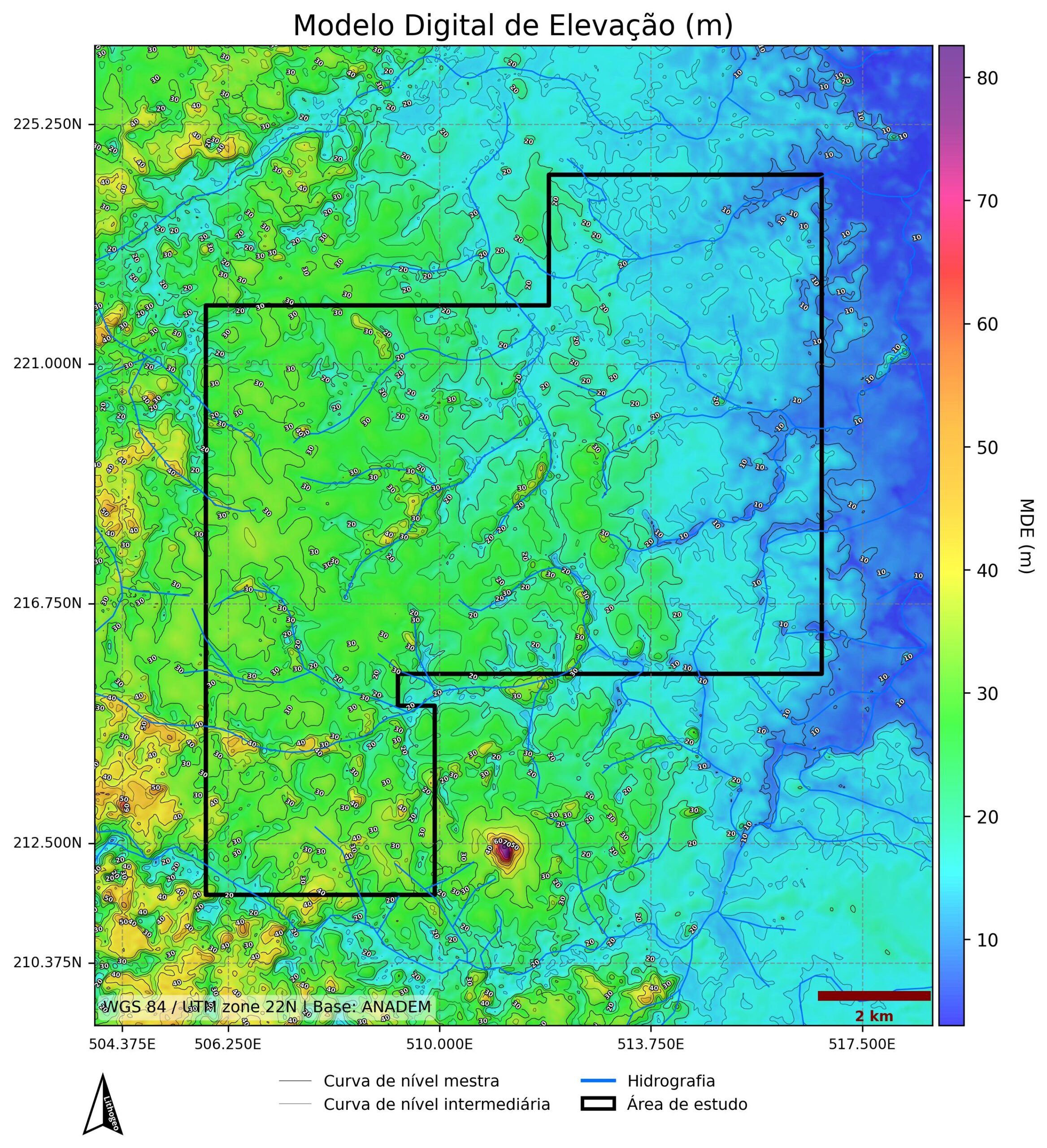
The project is located within the Guyana Shield, a major Precambrian geological province extending across northern South America and hosting a diverse range of mineral systems.
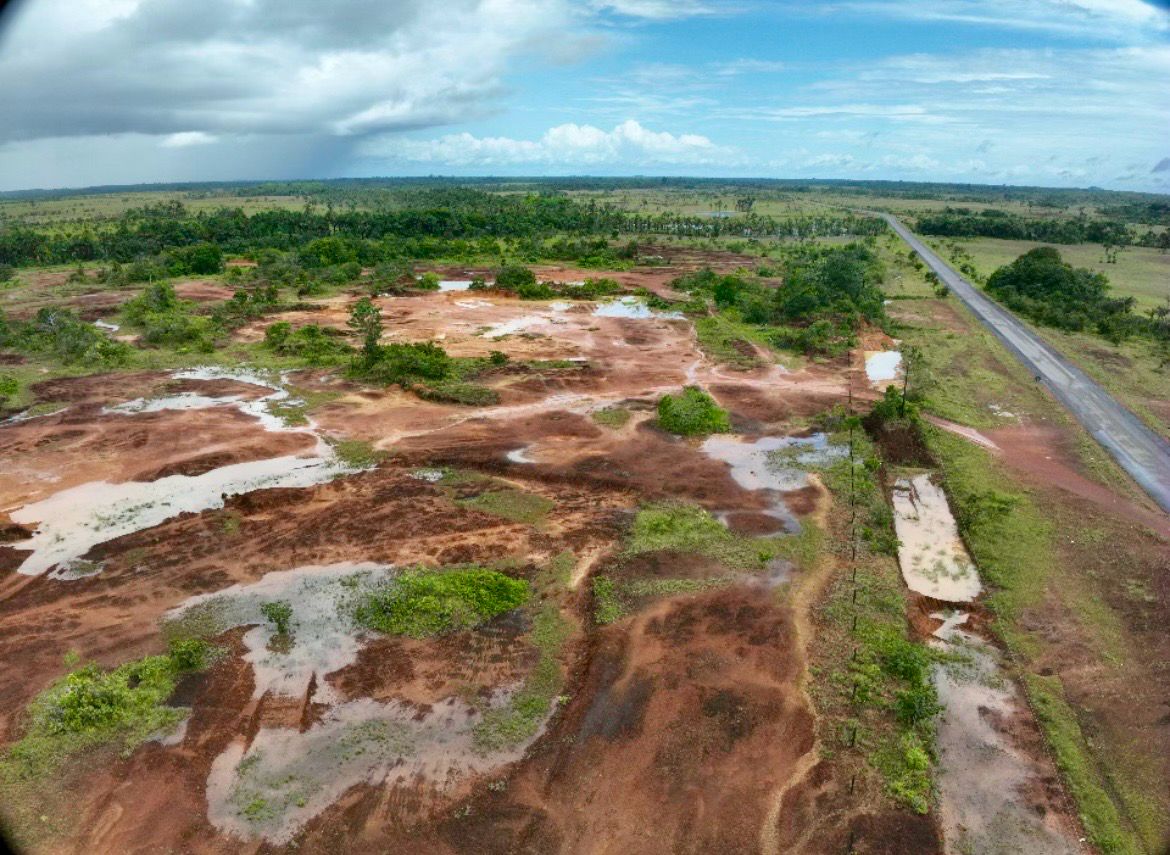
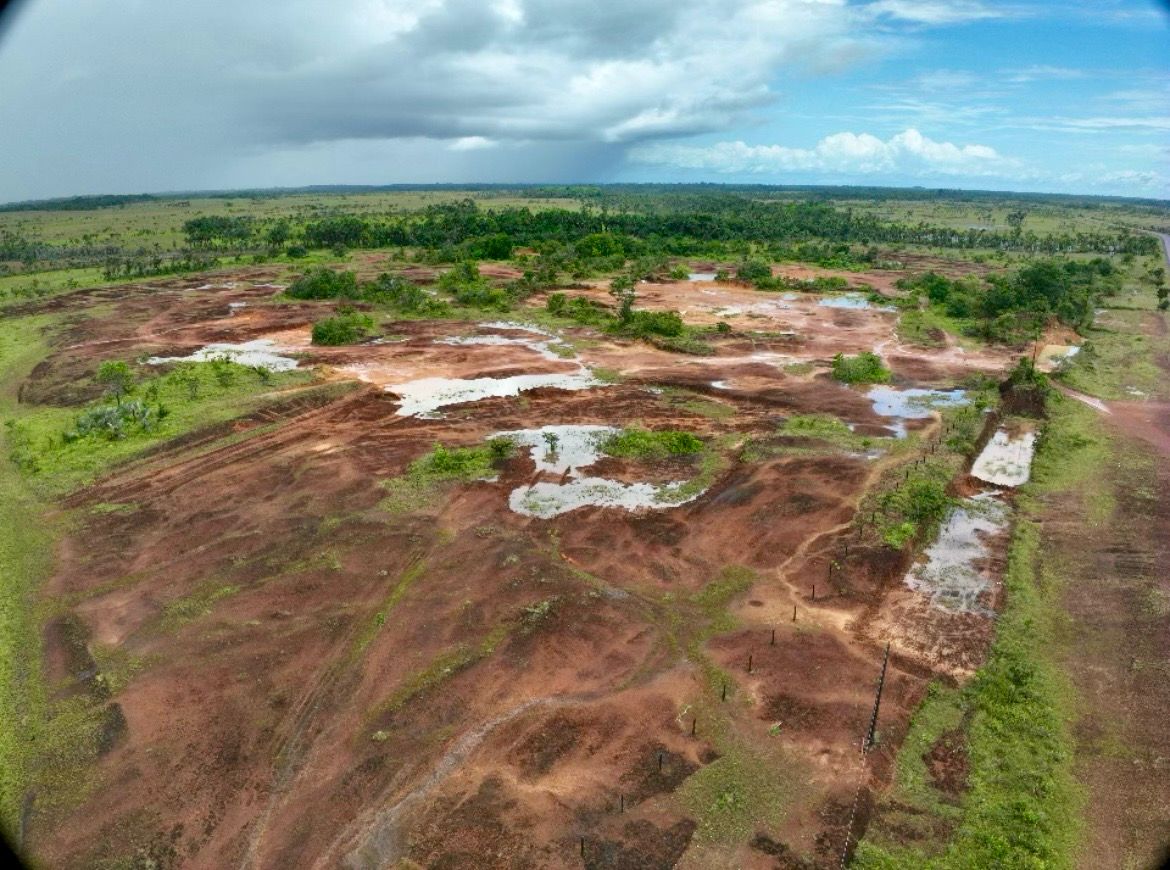
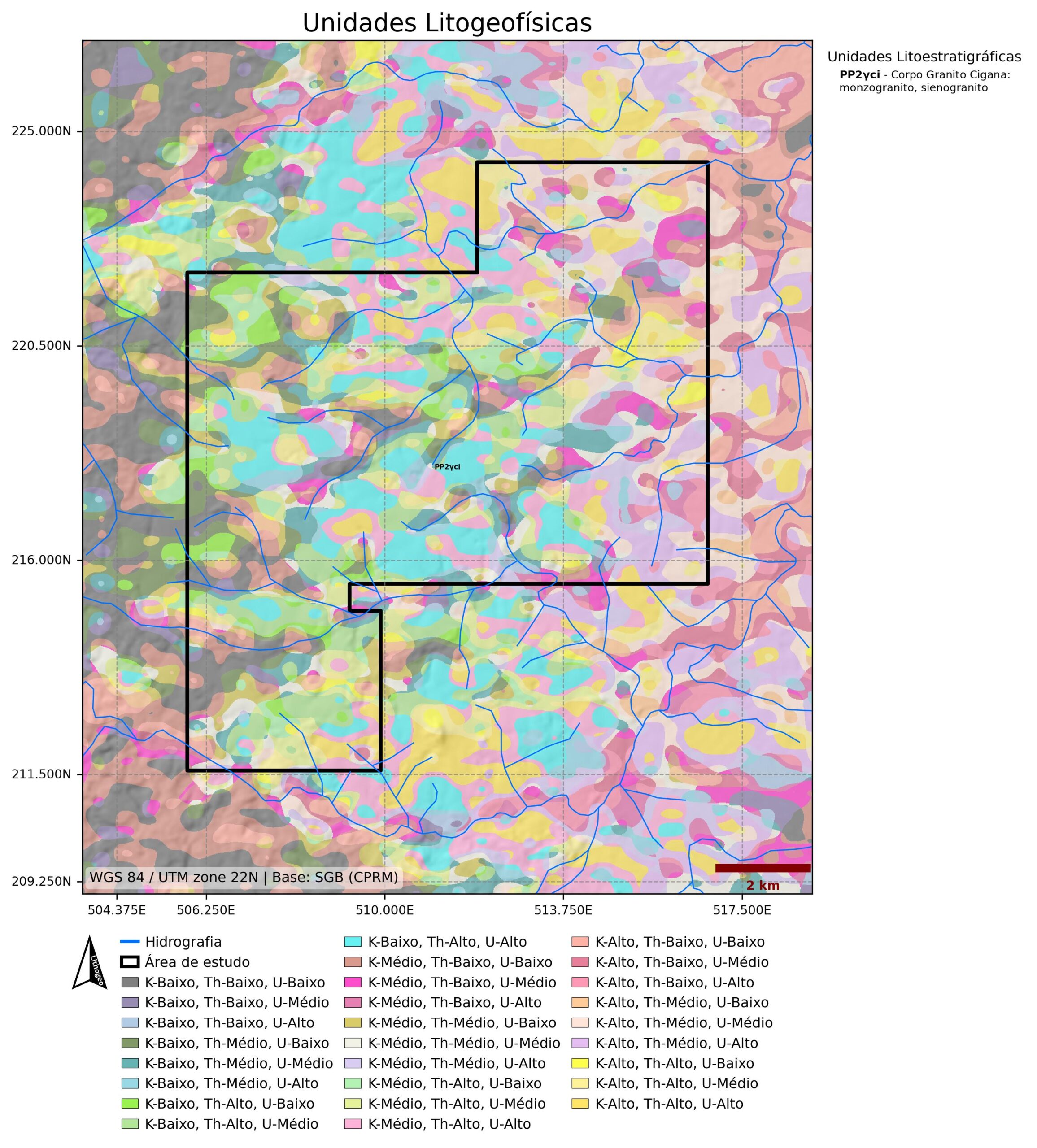
Reconnaissance sampling of surface outcrops within the project area has identified coarse crystalline material containing abundant quartz, feldspar and dark mineral phases. Strong magnetic attraction reported from the sampled material supports further investigation of potentially magnetite-bearing lithologies.
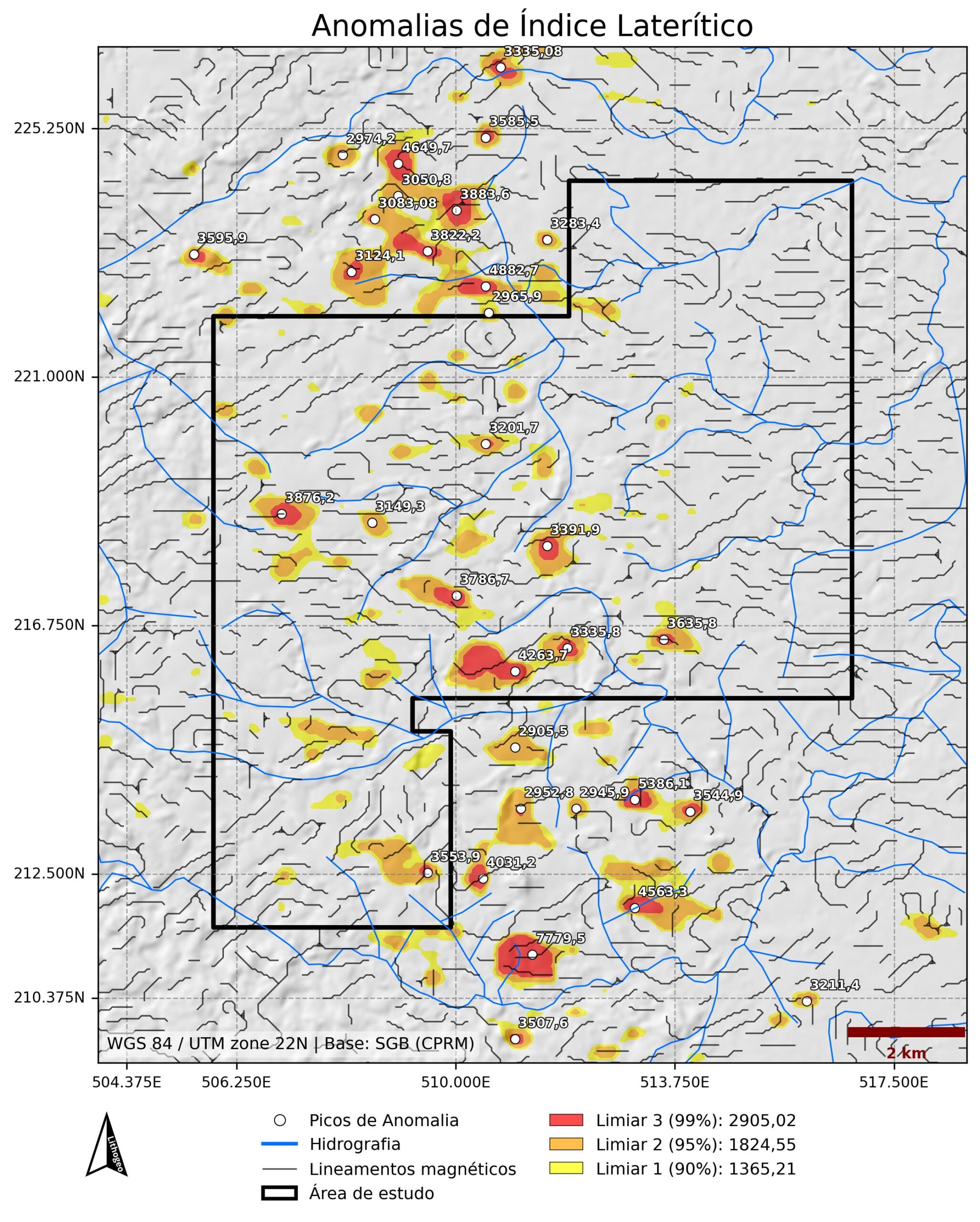
At this stage, the occurrence should be considered an early-stage exploration indication rather than evidence of an economic iron deposit. The next phase of investigation should focus on geological mapping, representative sampling, laboratory determination of iron content and associated elements, mineralogical characterization, and assessment of the distribution and continuity of the magnetic lithologies.
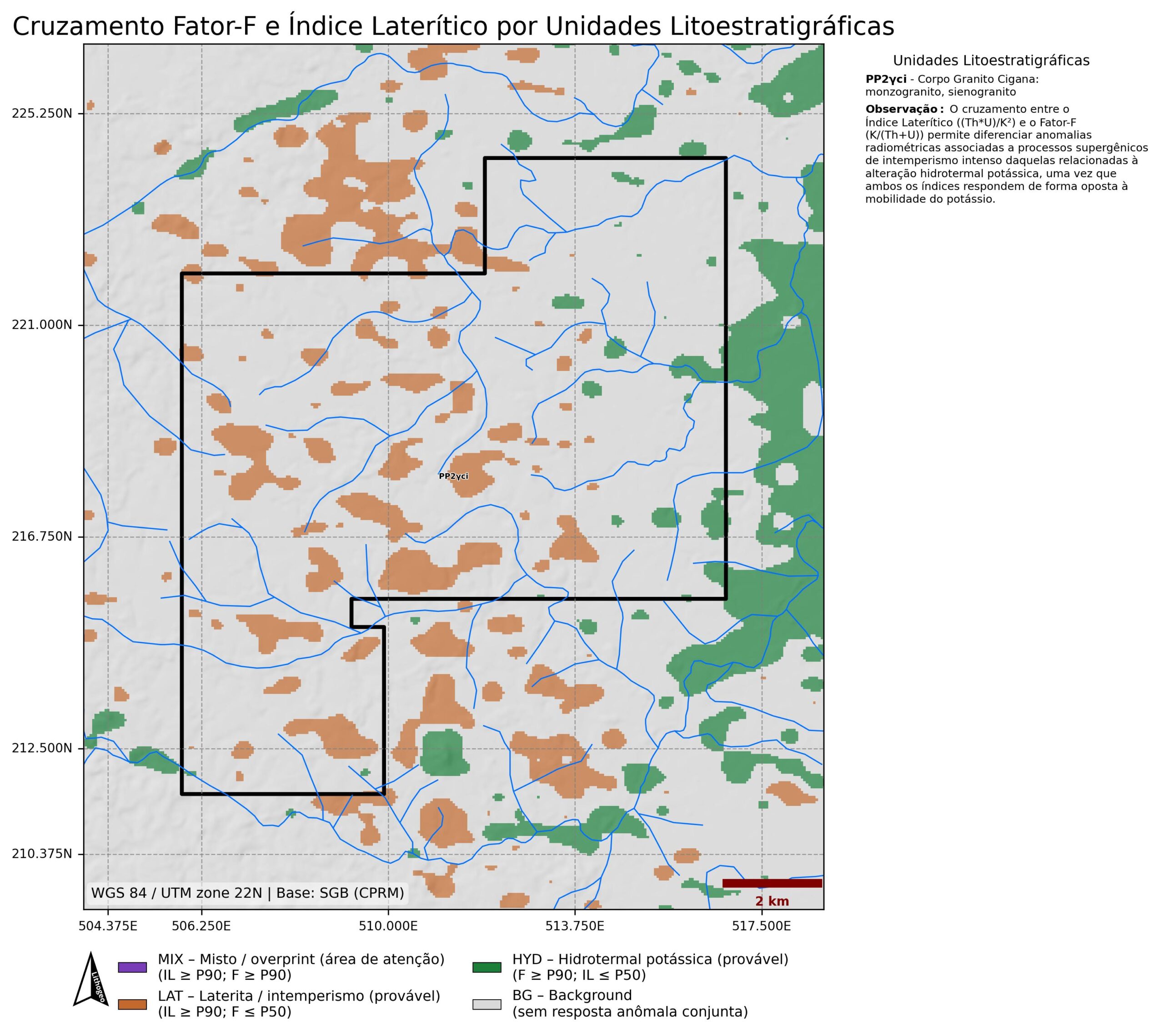
A neighbouring mineral property near the southeastern boundary provides additional regional geological context, where exploration has identified a substantial granite body. These results relate to a separate mineral title and are not resources or exploration results attributable to the Amapá Project.
Image Gallery