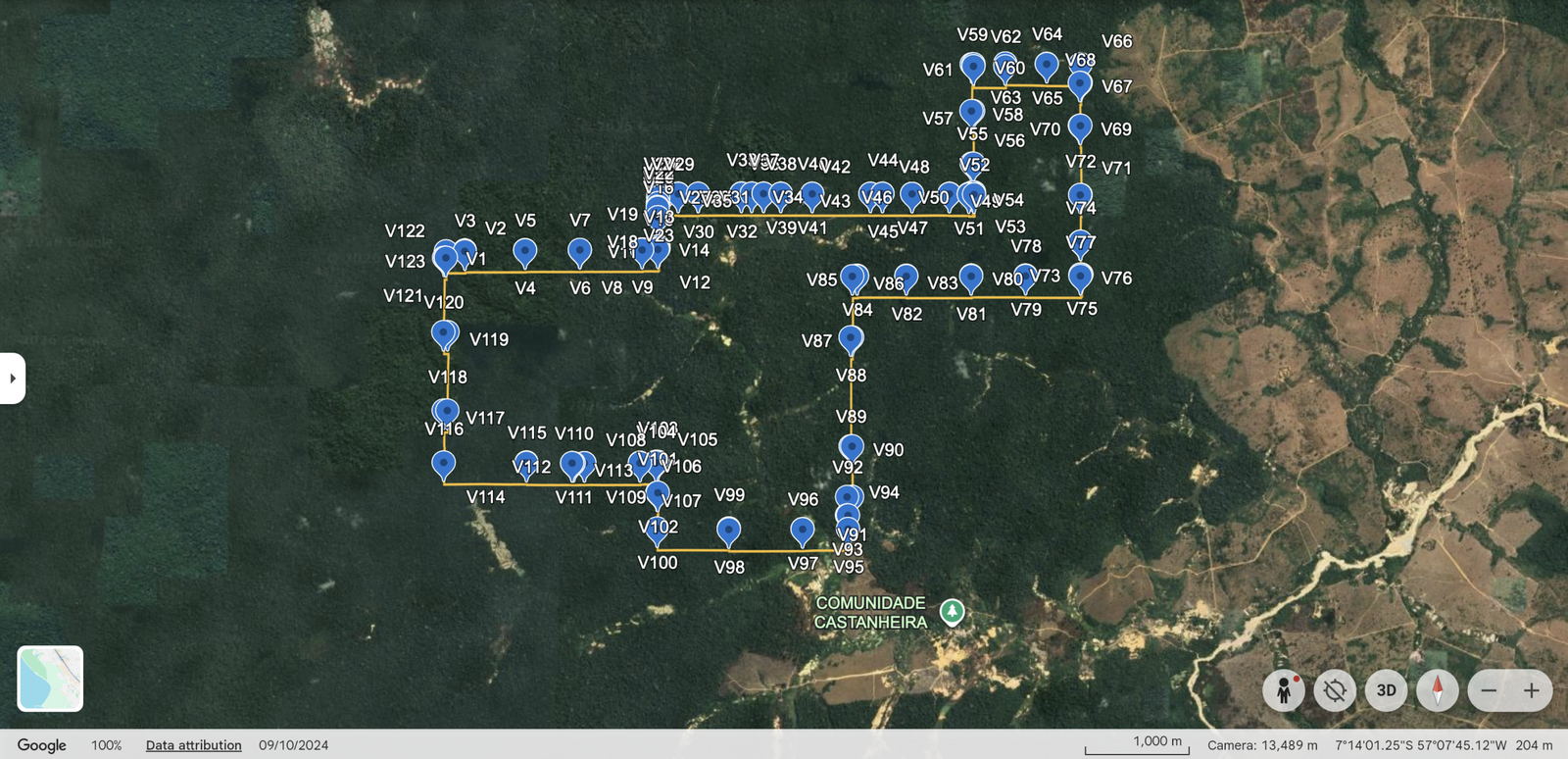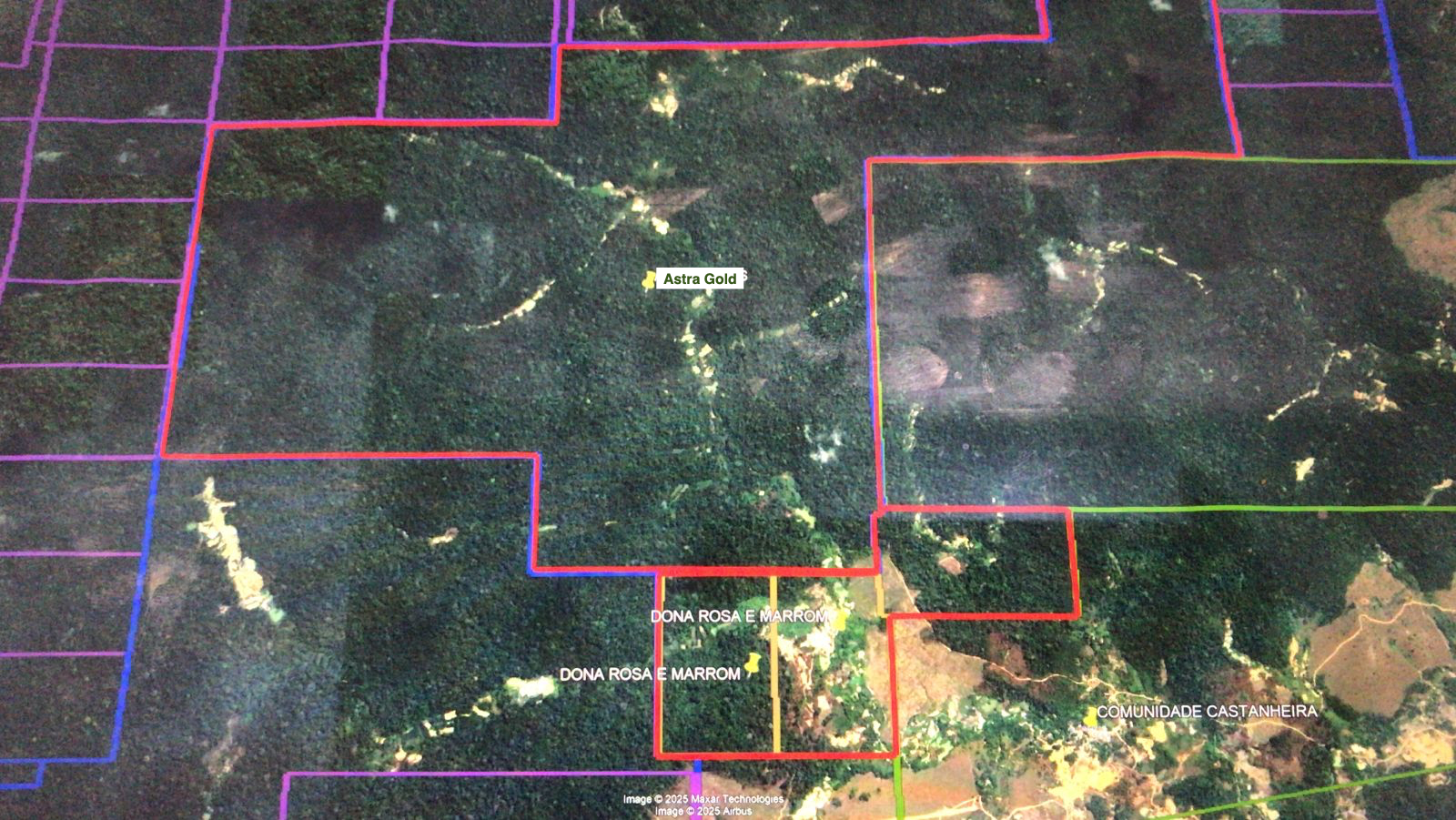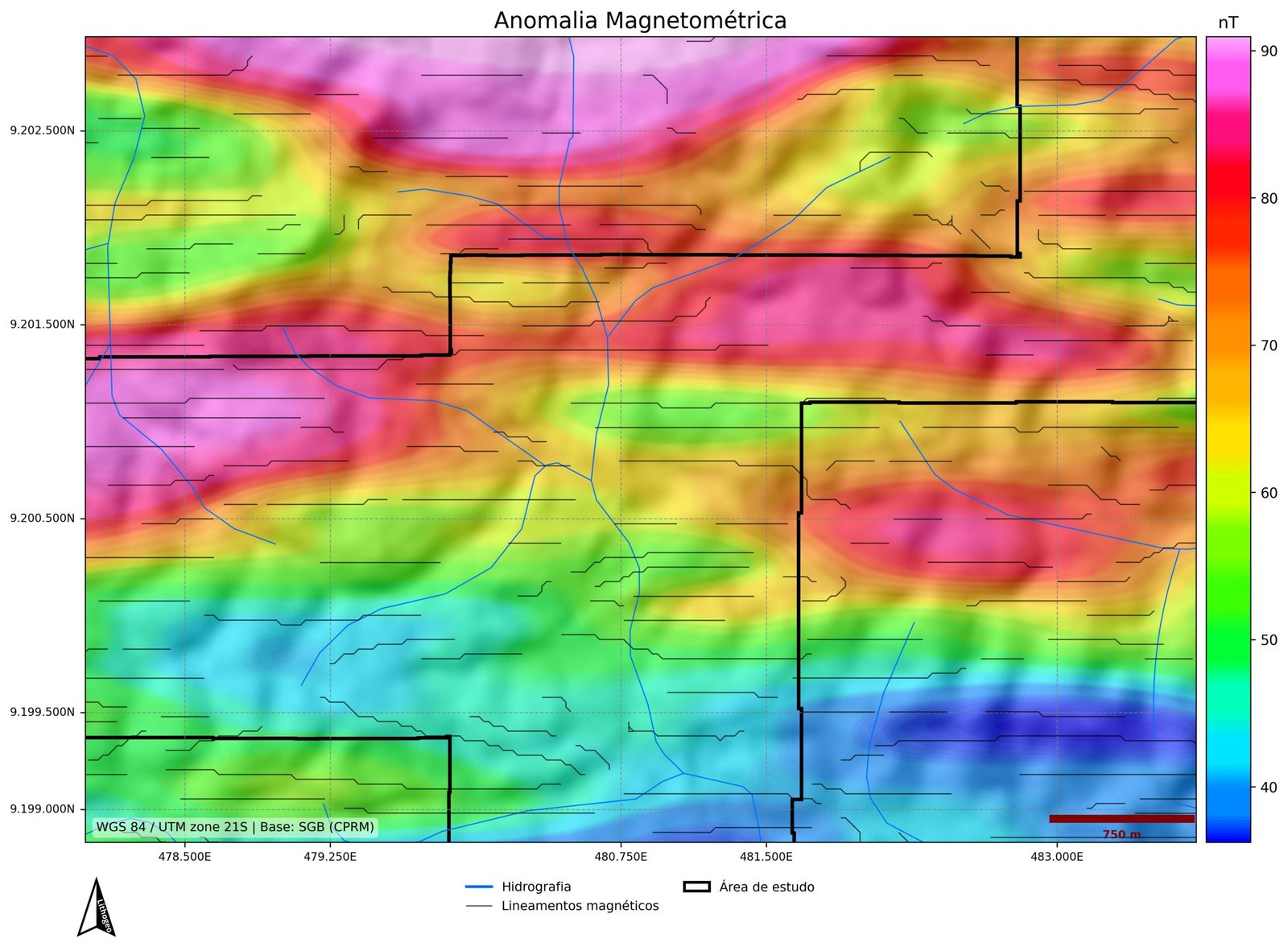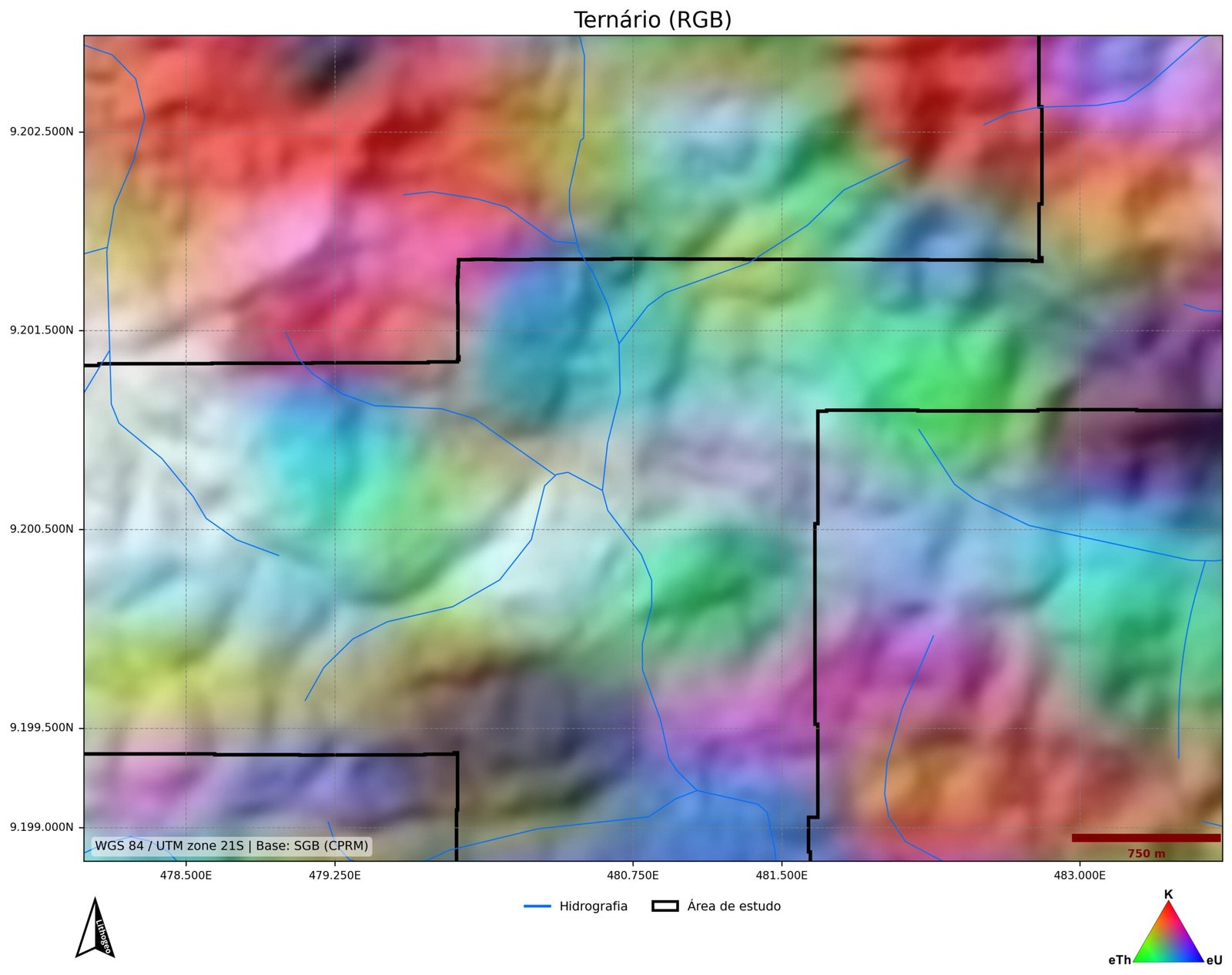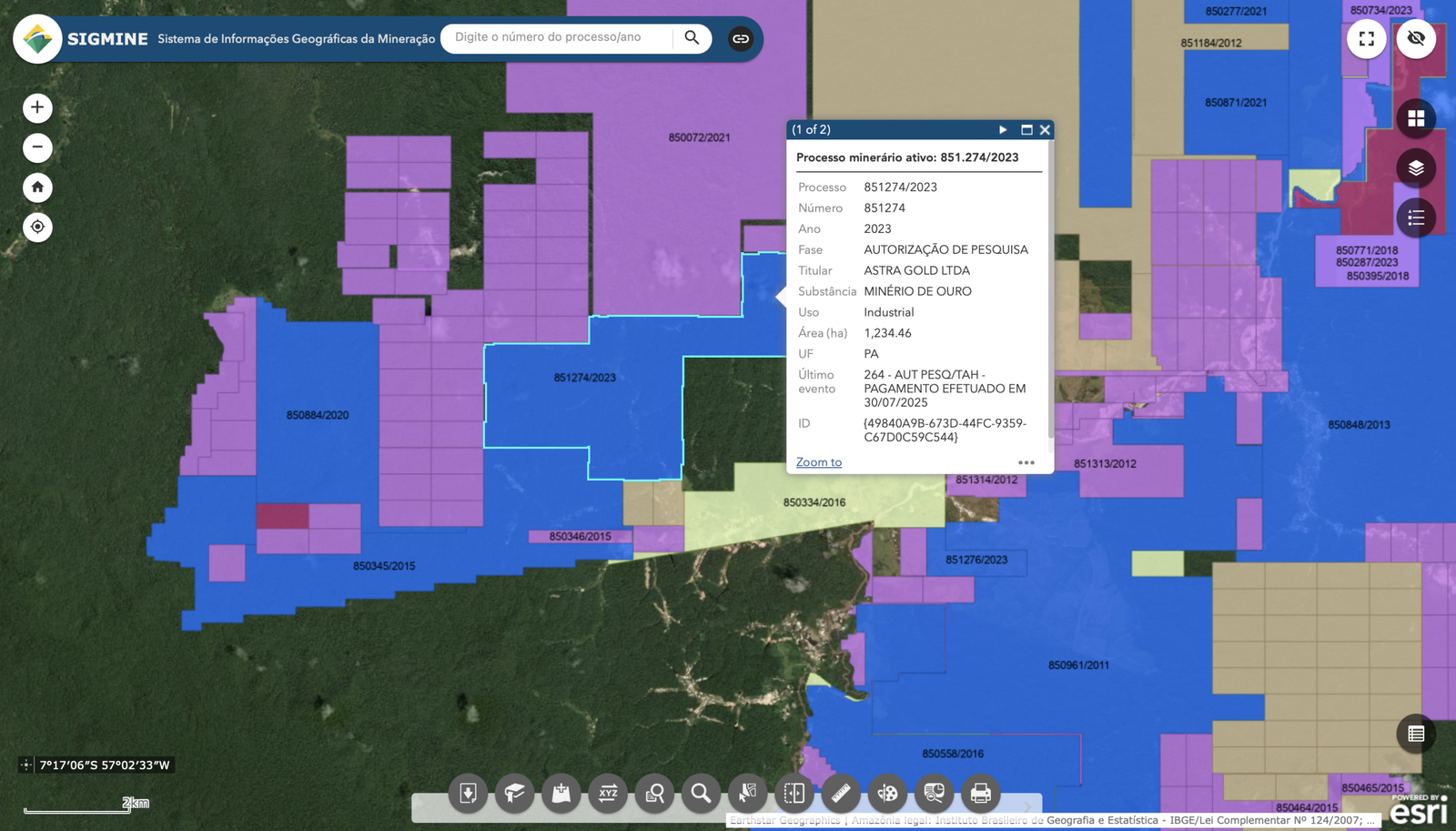
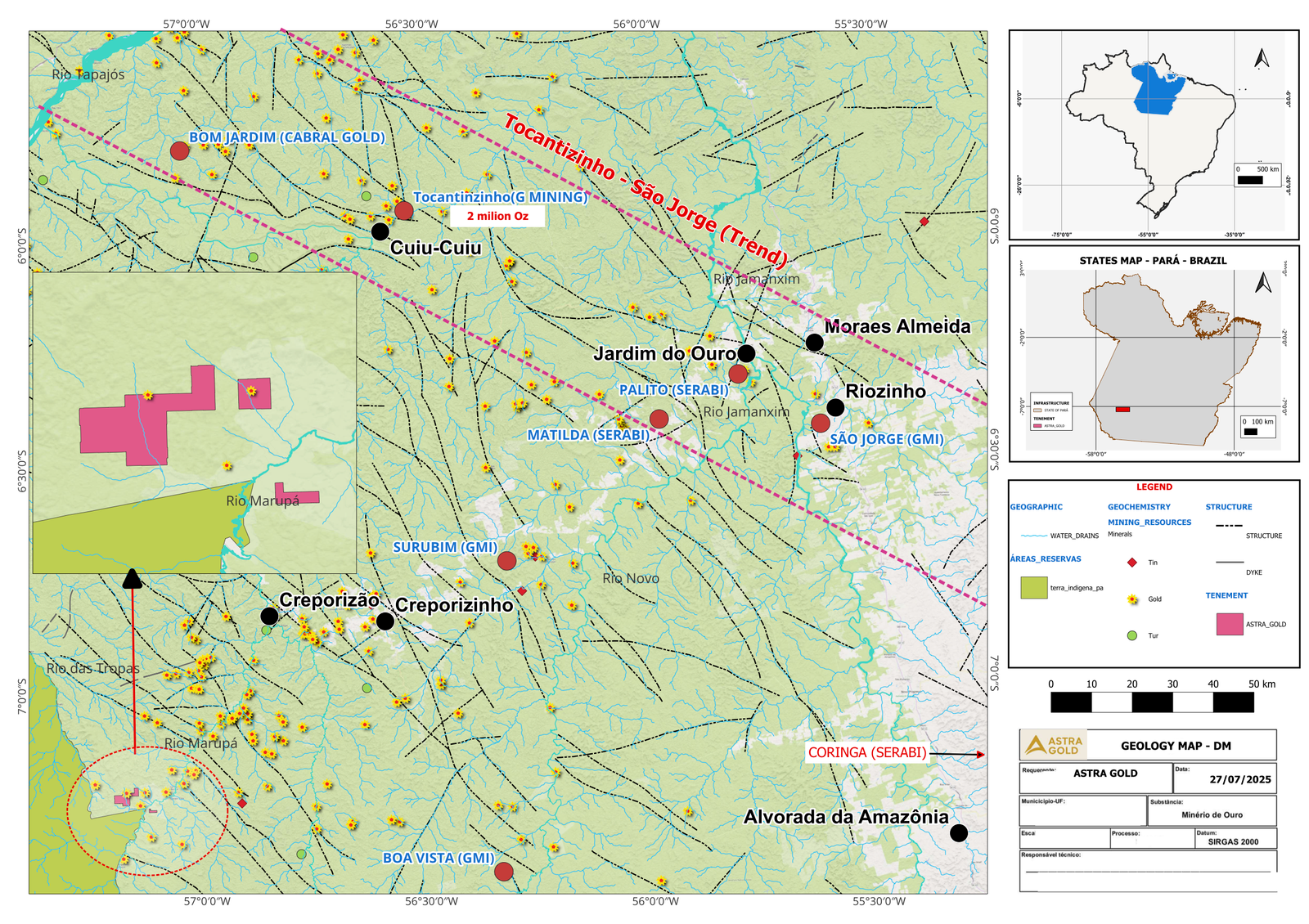
Project Highlights
- 1,234.46 hectare brownfield gold exploration project
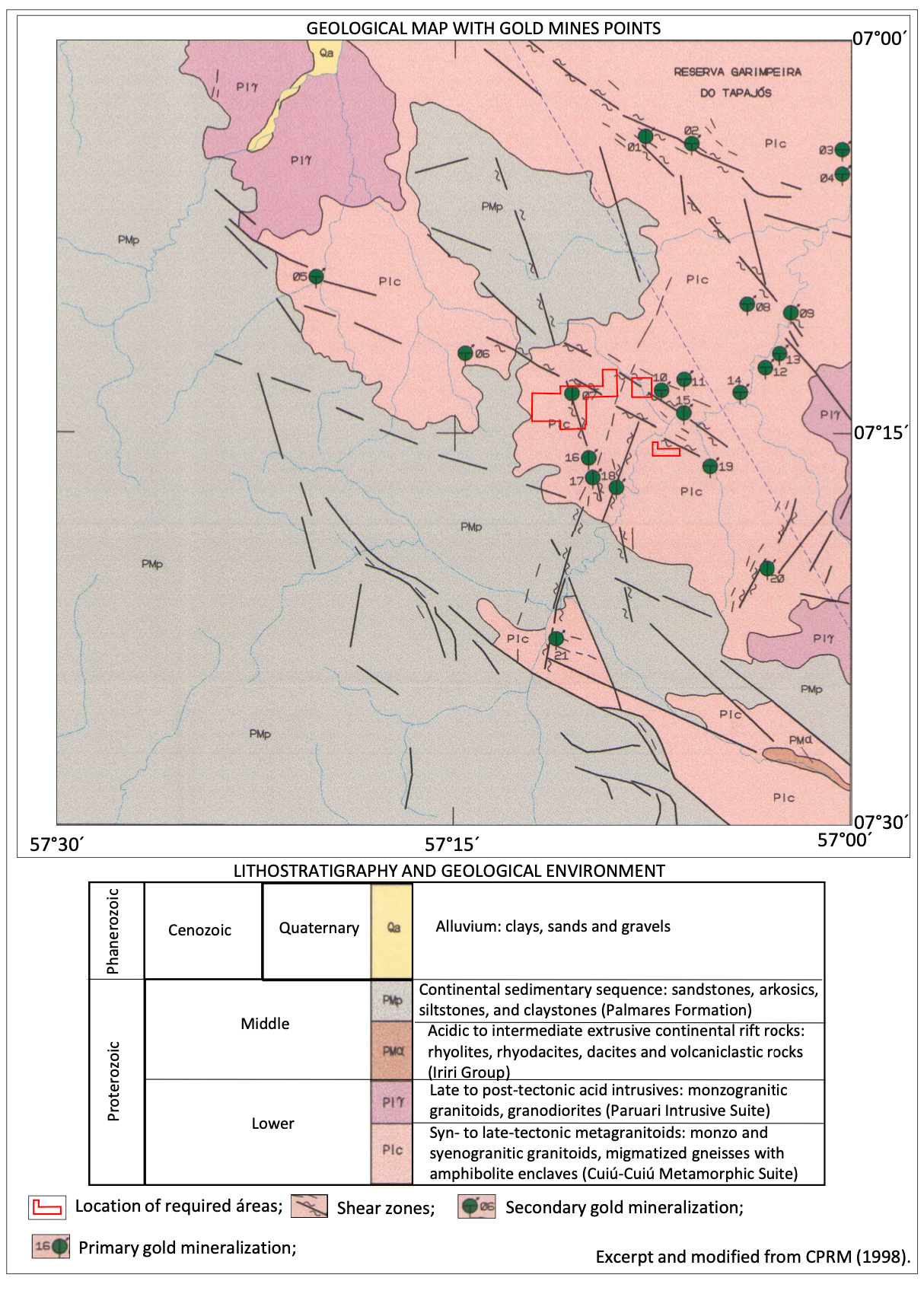
- Located within the Tapajós Mineral Province, Pará State, Brazil
- Historical production of approximately 800 kg of gold
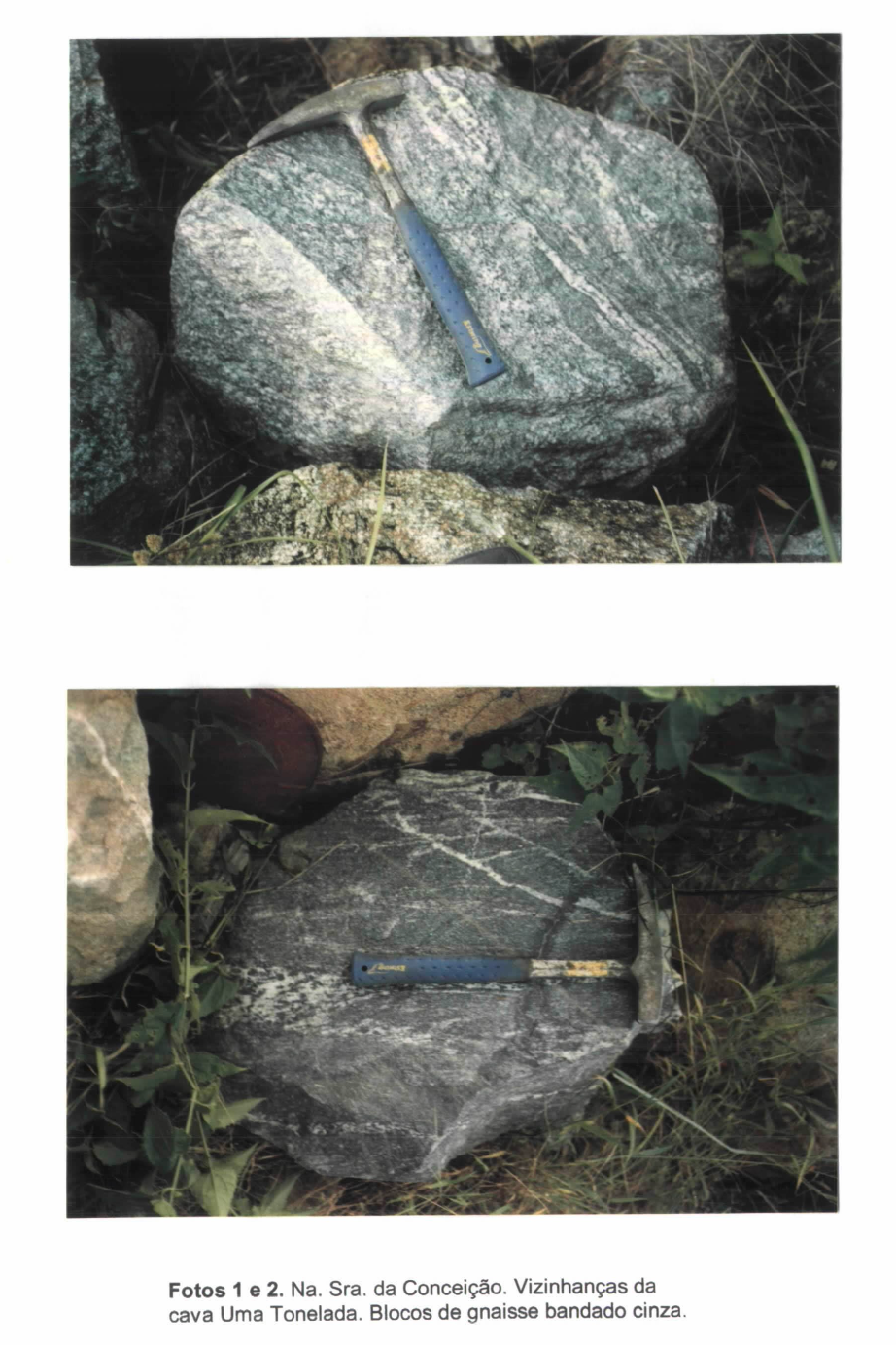
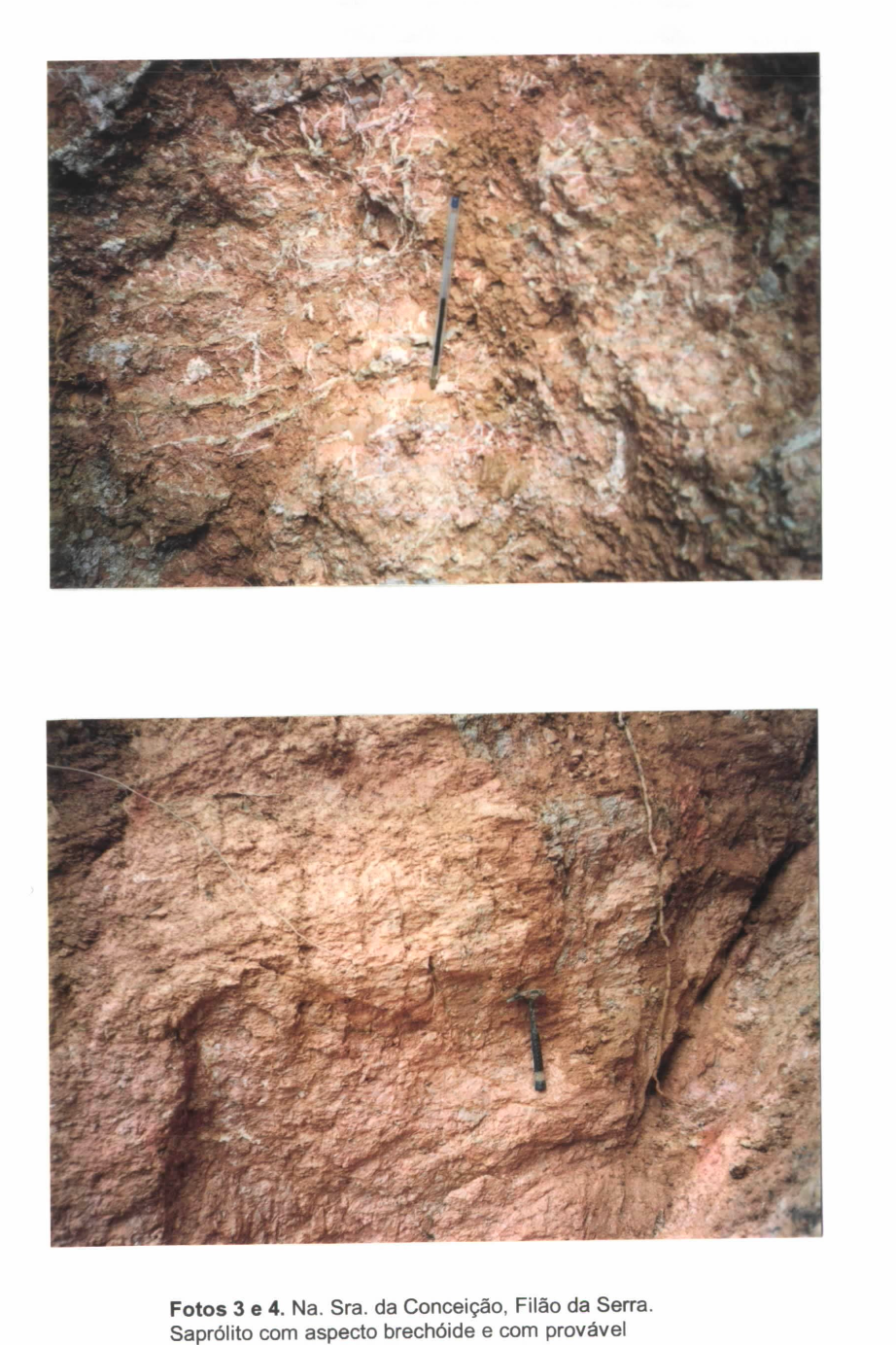
- Historical Garimpo Nossa Senhora da Conceição located within the project area
- Surface rights and CAR registration secured over the main project area
- Historical grades of 2–3 g/t Au in open pits and ~30 g/t Au in quartz veins
- Multiple historical and active artisanal gold workings surrounding the project
- Drill-ready exploration opportunity with strong geological fundamentals
- Two adjacent exploration permits provide district-scale expansion potential
- Located within an established gold district hosting projects of Cabral Gold, Serabi Gold, G Mining Ventures and GoldMining
- Covered by the approved APA Tapajós Management Plan
- Year-round road and river access
- Excellent potential for resource definition and future development
Summary
The Marupá Gold Project comprises a 1,234.46 hectare exploration permit located within the Tapajós Mineral Province, Pará State, Brazil.
The project hosts the historical Garimpo Nossa Senhora da Conceição, where approximately 800 kg of gold was reportedly produced through artisanal mining activities, confirming the presence of a productive gold-bearing system.
Historical references indicate grades of 2–3 g/t Au in open pit material and approximately 30 g/t Au within quartz veins. Multiple active and historical artisanal workings surrounding the project further support the prospectivity of the broader mineralized corridor.
The project benefits from secured mineral rights, surface rights control, CAR registration and year-round access. Two additional exploration permits adjacent to the main claim provide further district-scale exploration upside within the broader Marupá corridor.
Geological Overview
The Marupá Gold Project is located within the Tapajós Mineral Province, one of Brazil's most prolific historical gold districts.
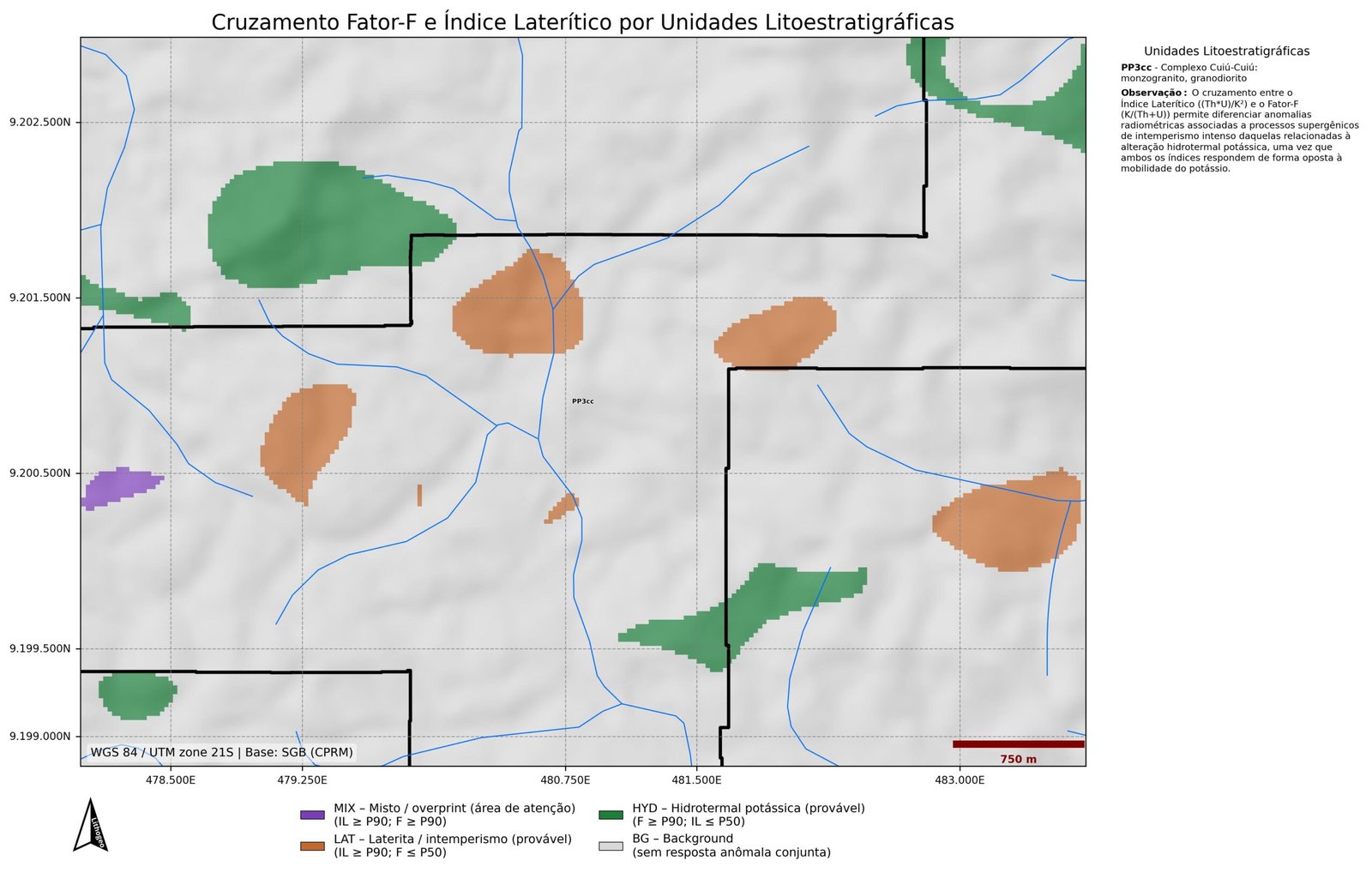
Mineralization is associated with quartz vein systems, structural corridors, intrusive contacts and hydrothermal alteration zones. Historical mining activity throughout the district confirms the fertility of the regional gold system.
Despite confirmed historical production and extensive artisanal mining activity, the project has never been systematically tested through modern diamond drilling, creating a compelling opportunity for exploration and resource definition.
Image Gallery